All You Need to Know About Giovanni Hashimoto
How to Get a Bachelors Degree Abroad
Navigating the journey toward earning a college degree overseas demands careful consideration of numerous aspects. Prospective students should assess countries and universities based on learning quality, scholarship availability, and cultural alignment. Understanding visa requirements is vital for a smooth changeover. However, the journey goes beyond logistics. Adapting to new environments and maintaining connections with home play crucial roles in shaping the experience. What hurdles and prospects are in store for those pursuing this route?
What Key Factors Should You Evaluate When Selecting a Country?
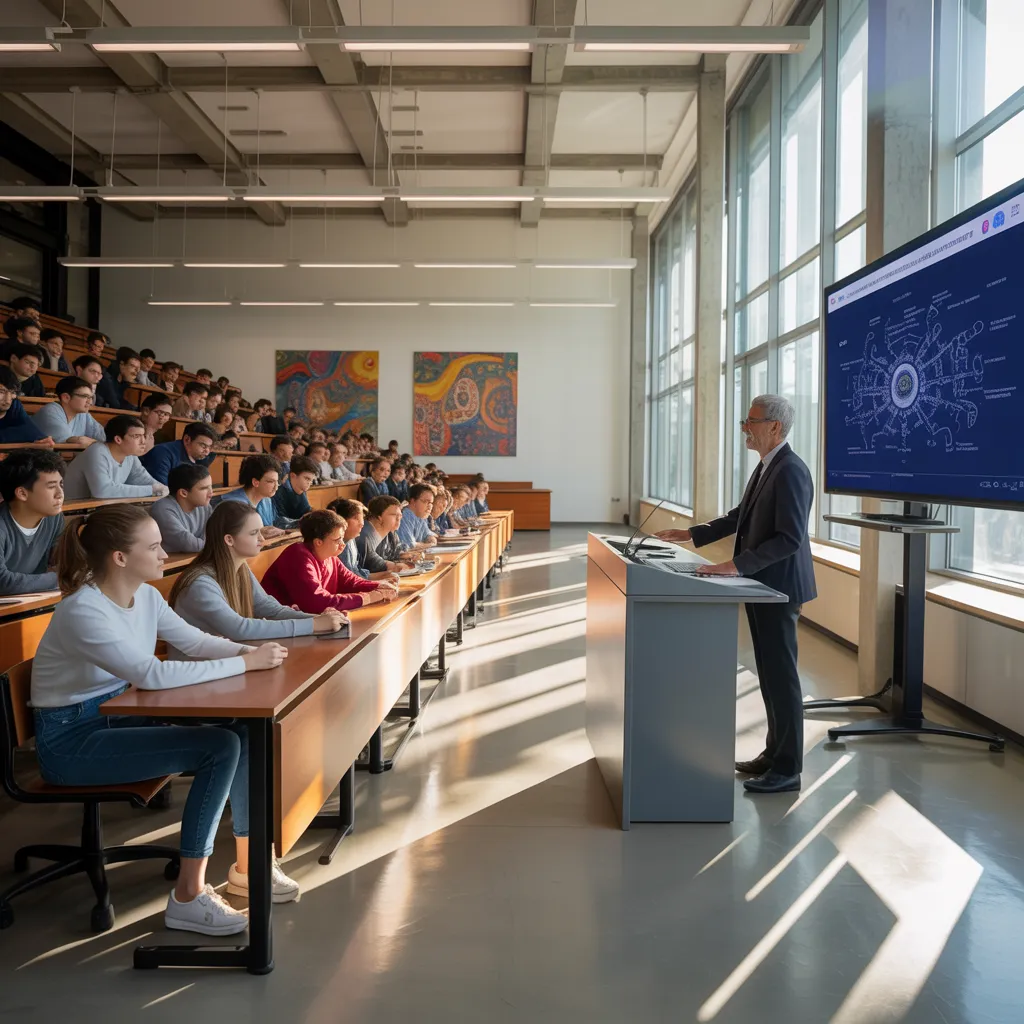
When selecting a destination for a undergraduate degree abroad, what essential considerations should guide the decision? First, the quality of education is paramount; aspiring students are encouraged to explore academic rankings, professor credentials, and the curriculum's relevance to their area of study. Additionally, language plays an important role; students must evaluate whether they are comfortable studying in the native language or if courses offered in English are accessible.
Cultural fit is another significant factor; understanding the society, customs, and lifestyle can greatly influence the overall experience. Moreover, safety and political stability represent vital aspects to evaluate; students ought to research the nation's safety record and prevailing political environment. Finally, proximity to home and travel opportunities can affect personal preferences and overall satisfaction. Through thoughtful evaluation of these considerations, students can reach educated decisions that resonate with their academic and personal ambitions.
How to Obtain Funding and Scholarships for Studying Abroad
Securing funding and scholarships is essential for students considering a bachelor's degree abroad. A wide range of scholarships can be found, addressing diverse requirements and eligibility criteria, and understanding these options can greatly enhance financial accessibility. Furthermore, employing proven application techniques can enhance the probability of success in the challenging scholarship arena.
Kinds Of Scholarships Available
While pursuing a baccalaureate degree abroad is often a life-changing journey, knowing the scholarship options at your disposal is crucial for handling expenses. A wide range of scholarships address diverse needs and situations. Merit-driven scholarships honor superior academic achievement, while need-based scholarships assist students with financial challenges. A number of academic institutions extend targeted scholarships to international students in support of diversity. Additionally, state-sponsored scholarships like Fulbright or Chevening offer substantial assistance for overseas education. Non-governmental organizations and foundations additionally provide scholarships targeting particular disciplines or geographic areas. Lastly, various countries extend scholarships to welcome overseas students, broadening access to tertiary education. Exploring these options can greatly ease the financial burden of studying abroad.
Application Success Tips
Navigating the scholarship application process can significantly improve a student's likelihood of obtaining funding for overseas education. To enhance their chances, students should commence by investigating various scholarships that align with their academic goals and personal backgrounds. Writing a strong personal essay is essential; it should precisely express goals and ambitions. In addition, obtaining strong letters of recommendation from mentors or professors can deliver significant reinforcement. Students must also carefully observe application deadlines and requirements, guaranteeing all components are filed punctually. Moreover, showcasing relevant experiences, such as community service or work placements, can make an applicant stand out. Finally, adopting a structured strategy allows for careful tracking of applications and follow-ups, thereby improving the likelihood of securing funding.
Comprehending Visa Requirements for Your Desired Country
Comprehending visa criteria is crucial for students who plan to pursue international education. Different countries have various types of student visas, each with specific criteria and application processes. Navigating these stipulations can significantly affect a student's capacity to engage in international academic pursuits.
Different Types Of Student Visas
Maneuvering through the world of student visas is crucial for anyone considering a undergraduate degree abroad. Different countries offer various types of student visas, all featuring unique criteria and benefits. For example, the F-1 visa in the United States enables students to undertake full-time studies, while the Tier 4 visa in the United Kingdom serves a similar purpose. Some countries, like Canada and Australia, offer dedicated visas allowing students to engage in part-time employment while studying. Furthermore, certain nations may have specific requirements based on the length of the program or the accreditation status of the institution. Recognizing these variations is critical for aspiring international learners to secure proper compliance and identify the most suitable visa for their academic pursuits.
Summary of the Application Process
Working through the application process for a student visa involves careful attention to the specific requirements of the chosen country. Every country has distinct regulations, documentation, and timelines that must be adhered to. In most cases, applicants are required to gather essential documents such as proof of admission, financial statements, and health insurance. Furthermore, certain nations may also request a language proficiency test or a medical examination.
It is important for prospective students to start the application process early, as visa processing times can vary greatly. It is equally important to become familiar with the embassy or consulate's guidelines, as they supply comprehensive guidance and current information on necessary requirements. Ultimately, diligent preparation paves the way for a smoother journey toward pursuing studies abroad.
How to Find a University That Fits Your Aspirations?
How can one effectively choose a university that aligns with their academic and career aspirations? To begin, prospective students should clarify their personal objectives, such as preferred fields of study and intended career directions. Exploring universities that provide excellent curricula in those particular fields is a critical step. Prospective enrollees can make use of web-based resources, scholarly rankings, and alumni communities to gauge the caliber of academic instruction available.
Additionally, elements like available extracurricular activities, location, and campus culture ought to be taken into account. A positive setting can significantly improve the complete university experience. Moreover, aspiring students should consider the school's partnerships with sectors pertaining to their areas of study, as internship programs and networking connections can be instrumental in shaping long-term professional advancement.
Finally, factoring in monetary factors, including education costs and daily expenses, is vital. By assessing these considerations, students can reach well-informed choices that align with their aspirations, securing a meaningful and accomplished study experience in a foreign country.
Adjusting to Cultural Distinctions in Your New Surroundings
While adapting to a new culture can be difficult, welcoming the contrasts can lead to enriching encounters. Those pursuing education internationally often encounter unfamiliar practices, forms of communication, and cultural expectations that may feel challenging at the outset. To handle these cultural changes, it is important to tackle unfamiliar situations with an receptive attitude and a willingness to learn. Connecting with local residents, joining local festivities, and building connections with native inhabitants can develop stronger insight and gratitude of the adopted culture.
Moreover, keeping a harmony between protecting one's own cultural identity and adapting to the new environment is of great importance. A spirit of curiosity and honest communication can help bridge gaps and ease feelings of alienation. As individuals embrace the unknown, they often acquire strength and flexibility, attributes that are immensely valuable both for personal growth and professional advancement. When all is considered, these transformative experiences can enrich one's education and broaden perspectives, making the experience of studying in a foreign country remarkably life-changing.
What to Expect While Studying Abroad?
Going to school abroad presents a remarkable combination of excitement and uncertainty, as students often find themselves in foreign academic and social settings. These individuals could face different pedagogical methods, which might span joint group assignments to individual investigative work. Learners ought to anticipate differing requirements concerning participation and deadlines.
In terms of social development, the experience can be profoundly meaningful. New friendships may form, but adapting to diverse cultural norms and communication styles can prove to be challenging. In the beginning, students might struggle with loneliness or homesickness, but these feelings often diminish as they settle into their adopted communities.
Furthermore, dealing with day-to-day living, such as learning about public transportation applicable information and local customs, can be challenging yet rewarding. Learners can anticipate developing problem-solving skills and resilience as they navigate these transitions. In the end, the journey fosters personal growth and a broader worldview, rendering the difficulties worthwhile.
How to Stay Connected With Home During Your Studies
Maintaining connections with home during studies abroad is vital for emotional stability and encouragement. Learners can leverage modern technology to close the gap, utilizing video communication, instant messaging, and social networking platforms to document experiences and ensure dear ones remain in the loop. Arranging frequent communication sessions can build a soothing pattern, allowing for smoother adjustment to the demands of studying in a foreign location.
Furthermore, students should consider joining regional expatriate communities or networks, which can offer a supportive network and mutual experiences. Dispatching postcards or care packages can also reinforce connections and provide a tangible connection to home. Participating in cultural activities that connect them to their heritage, such as preparing traditional meals or observing holidays, fosters a sense of belonging. By actively maintaining these connections, students can improve their overall study abroad journey, ensuring they feel supported and less isolated during their scholarly pursuits.
Frequently Asked Questions
What Are the Best Countries for International Students?
A number of countries are well known for attracting international students, including Australia, Germany, Canada, the United Kingdom, and the United States. These countries provide a wide range of programs, rich cultural experiences, and pathways for academic and personal development.
Where Can I Find Student Housing Abroad?
To discover overseas student housing, individuals should look into college housing resources, web-based rental portals, and local listings. Building connections with classmates and gathering referrals can further yield useful information into suitable living arrangements.
Can I Be Employed While Studying in a Foreign Country?
Absolutely, many international students can work while studying overseas, based on the applicable visa requirements. Part-time employment can offer worthwhile practical experience and support living expenses, but juggling study and work responsibilities plays a key role in academic success.
What Health Insurance Is Required for Studying Abroad?
Students pursuing education overseas usually must have extensive health insurance that protects against repatriation, hospitalization, and medical emergencies. It is important to review the requirements of the host country and verify the policy includes coverage for routine care and pre-existing conditions.
How Can I Enhance My Language Abilities Before Departing?
To improve language skills before leaving, one should commit to regular practice through language exchange programs, apps, online courses, and hands-on experiences with native speakers. Reading books and watching films in the target language also helps greatly.